If you’re trying to choose between the NN-SN97JS and NN-SD975S, this guide breaks down the technical differences, cooking performance, and value so you can make an informed decision.
Quick Navigation
Quick Comparison Table
| Feature | NN-SN97JS | NN-SD975S |
|---|---|---|
| Technology | Standard Inverter | Cyclonic Inverter |
| Wattage | 1250 Watts | 1250 Watts |
| Wave Style | Linear | 3D Circular (Cyclonic) |
| Genius Sensor | Yes (Standard) | Yes (Advanced) |
| Best For | Budget-conscious power | Perfect defrosting & delicate fish |
| Display | Standard LCD | Electroluminescent (blue backlight) |
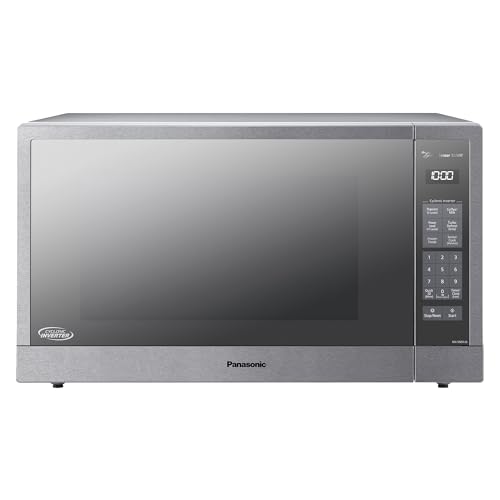
- PANASONIC COUNTERTOP MICROWAVE OVEN CYCLONIC INVERTER: This 1250-Watt high power, 2....
- INVERTER TECHNOLOGY WITH TURBO DEFROST: patented Inverter Technology generates a seamless...
- LARGE FAMILY SIZE: This countertop microwave with 16. 5-inch turntable is thinner, lighter...
- SMART COOKING SETTING: Built-in automatic sensor adjusts power and times based on...
- FOOD WARMING FEATURE: This Inverter microwave keeps soups, gravies or desserts warm and...
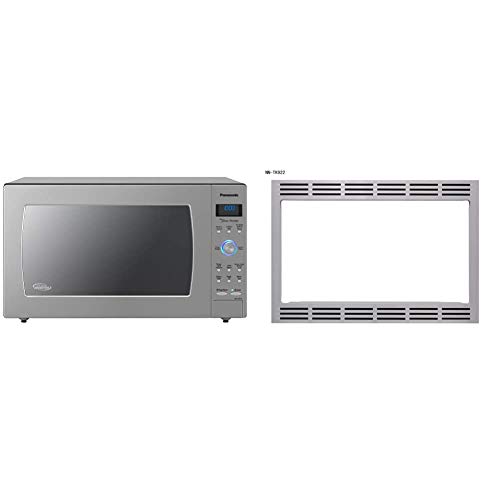
- Cyclonic wave microwave at every temperature level, cyclonic wave circulates heat in...
- Microwave controls: 20 preset sensor cook menu items, inverter turbo defrost, delay start...
- Minimum countertop footprint smart, compact design devotes less space to electronics and...
- Sensor invertor turbo defrost: Utilizes a microwave sequencing system based on inverter's...
- TRIM KIT OUTER SIZE – 684mm or 27” (W) 472mm or 18 9/16” (H) 20mm or ¾” (D)
Cyclonic Inverter vs. Standard Inverter
Both the NN-SN97JS and NN-SD975S feature Panasonic’s renowned Inverter technology, which provides a steady, uninterrupted stream of power. However, the NN-SD975S has Cyclonic Inverter technology—a 3D wave distribution system that rotates microwave energy in a circular pattern.
This 3D circular wave reduces hot spots and ensures food cooks evenly from edge to center. Unlike traditional microwaves, the Cyclonic Inverter also improves defrosting: frozen meat and poultry thaw uniformly without overcooked edges.
Real-World Cooking Performance
- NN-SN97JS: Reliable, consistent heating for everyday meals, reheating, and standard defrosting.
- NN-SD975S: Excels at dense or delicate foods like large casseroles and fish fillets due to 3D wave distribution; hot spots are minimized.
Genius Sensor Technology
Both models feature Panasonic’s Genius Sensor, which measures steam to determine cooking completion. The SD975S sensor works with the Cyclonic Inverter to deliver precise results, reducing overcooked edges and frozen centers.
Pros & Cons
NN-SN97JS Pros
- More affordable
- Excellent Inverter power for everyday meals
- 2.2 cu. ft. capacity
- PANASONIC COUNTERTOP MICROWAVE OVEN CYCLONIC INVERTER: This 1250-Watt high power, 2....
- INVERTER TECHNOLOGY WITH TURBO DEFROST: patented Inverter Technology generates a seamless...
- LARGE FAMILY SIZE: This countertop microwave with 16. 5-inch turntable is thinner, lighter...
- SMART COOKING SETTING: Built-in automatic sensor adjusts power and times based on...
- FOOD WARMING FEATURE: This Inverter microwave keeps soups, gravies or desserts warm and...
NN-SN97JS Cons
- Linear wave distribution can create minor hot spots on dense foods
NN-SD975S Pros
- Cyclonic Inverter provides 3D wave distribution
- Ideal for defrosting, delicate fish, casseroles
- Advanced Genius Sensor for precise cooking
- Electroluminescent blue display improves visibility in bright kitchens
- Cyclonic wave microwave at every temperature level, cyclonic wave circulates heat in...
- Microwave controls: 20 preset sensor cook menu items, inverter turbo defrost, delay start...
- Minimum countertop footprint smart, compact design devotes less space to electronics and...
- Sensor invertor turbo defrost: Utilizes a microwave sequencing system based on inverter's...
- TRIM KIT OUTER SIZE – 684mm or 27” (W) 472mm or 18 9/16” (H) 20mm or ¾” (D)
NN-SD975S Cons
- Higher price
- Cyclonic benefit mostly noticeable on large or delicate dishes
Final Verdict
For most users, the NN-SN97JS offers excellent performance at a lower cost, with standard Inverter technology suitable for everyday meals. The NN-SD975S is ideal for enthusiasts or those who frequently cook dense or delicate dishes, thanks to its 3D Cyclonic Inverter and advanced sensor system. The small premium is justified for perfectly even heating and superior defrosting.
Frequently Asked Questions
Q: Is the NN-SD975S noticeably quieter than the SN97JS?
A: Both are similar in volume, but the SD975S’s Cyclonic technology may slightly alter sound due to the 3D wave distribution.
Q: Can both models handle large casserole dishes?
A: Yes, both have a 2.2 cu. ft. capacity, but the SD975S distributes heat more evenly in dense casseroles.
Q: Will the Cyclonic inverter improve defrosting?
A: Absolutely. Unlike traditional microwaves that cook the edges while leaving the center frozen, the Cyclonic Inverter thaws food evenly from edge to center.
Q: Is the SD975S display easier to read in bright kitchens?
A: Yes. The Electroluminescent blue display is more visible than the standard LCD on the SN97JS.
- PANASONIC COUNTERTOP MICROWAVE OVEN CYCLONIC INVERTER: This 1250-Watt high power, 2....
- INVERTER TECHNOLOGY WITH TURBO DEFROST: patented Inverter Technology generates a seamless...
- LARGE FAMILY SIZE: This countertop microwave with 16. 5-inch turntable is thinner, lighter...
- SMART COOKING SETTING: Built-in automatic sensor adjusts power and times based on...
- FOOD WARMING FEATURE: This Inverter microwave keeps soups, gravies or desserts warm and...
- Cyclonic wave microwave at every temperature level, cyclonic wave circulates heat in...
- Microwave controls: 20 preset sensor cook menu items, inverter turbo defrost, delay start...
- Minimum countertop footprint smart, compact design devotes less space to electronics and...
- Sensor invertor turbo defrost: Utilizes a microwave sequencing system based on inverter's...
- TRIM KIT OUTER SIZE – 684mm or 27” (W) 472mm or 18 9/16” (H) 20mm or ¾” (D)